



|
|
|
|
by Editor Peter Ebel
Edited and publshed by Yvette Depaepe, the 27th of November 2026
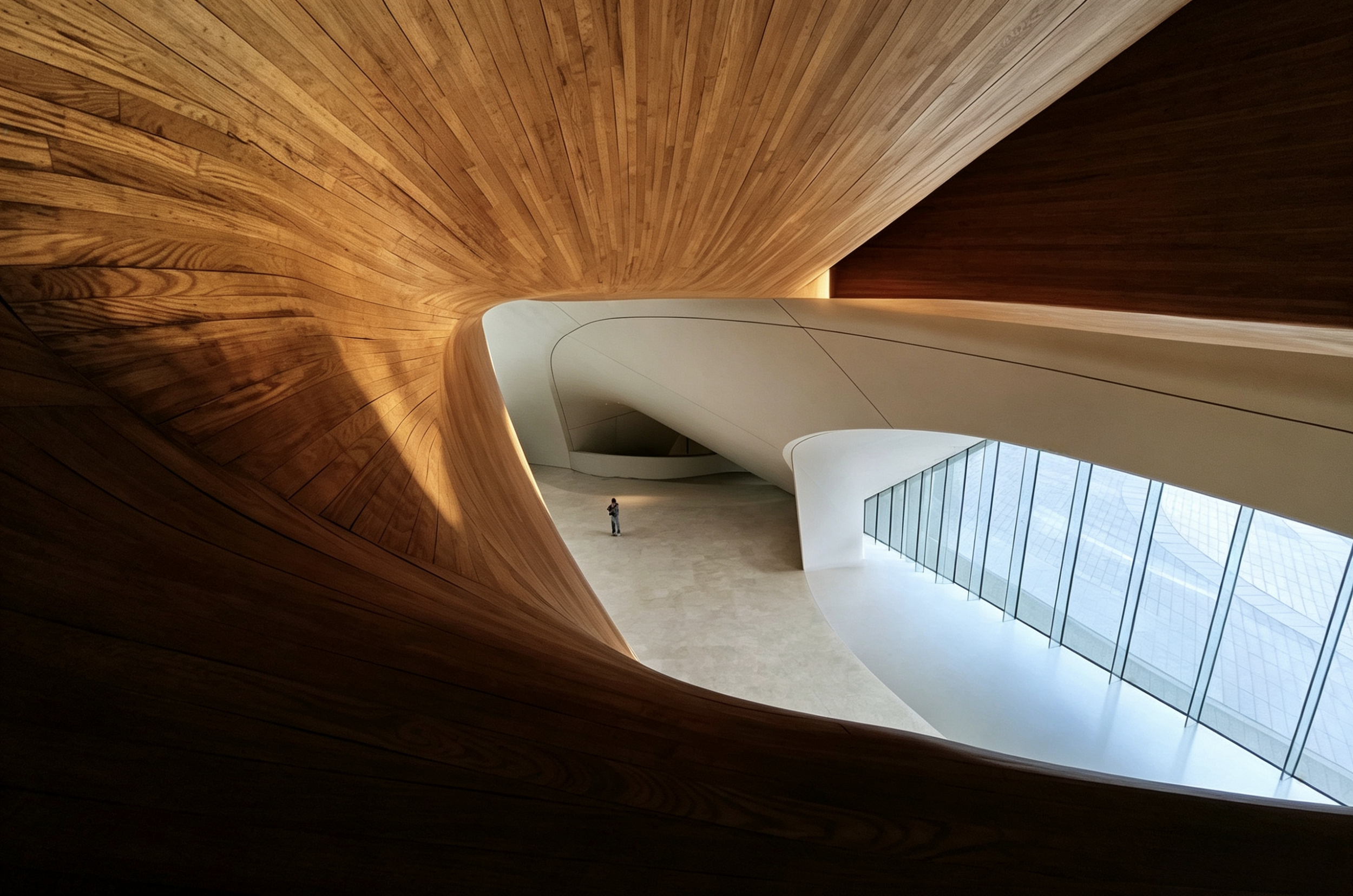
„Space and Curves“ by Sean Huang
Every photograph’s challenge is to catch the viewers’ eyes.
This isn’t an easy task.
The eyes provide by far the highest data rate of all the senses combined. So 99.99% of information is filtered out before it is even recognized, leaving the brain free to focus on what is relevant.
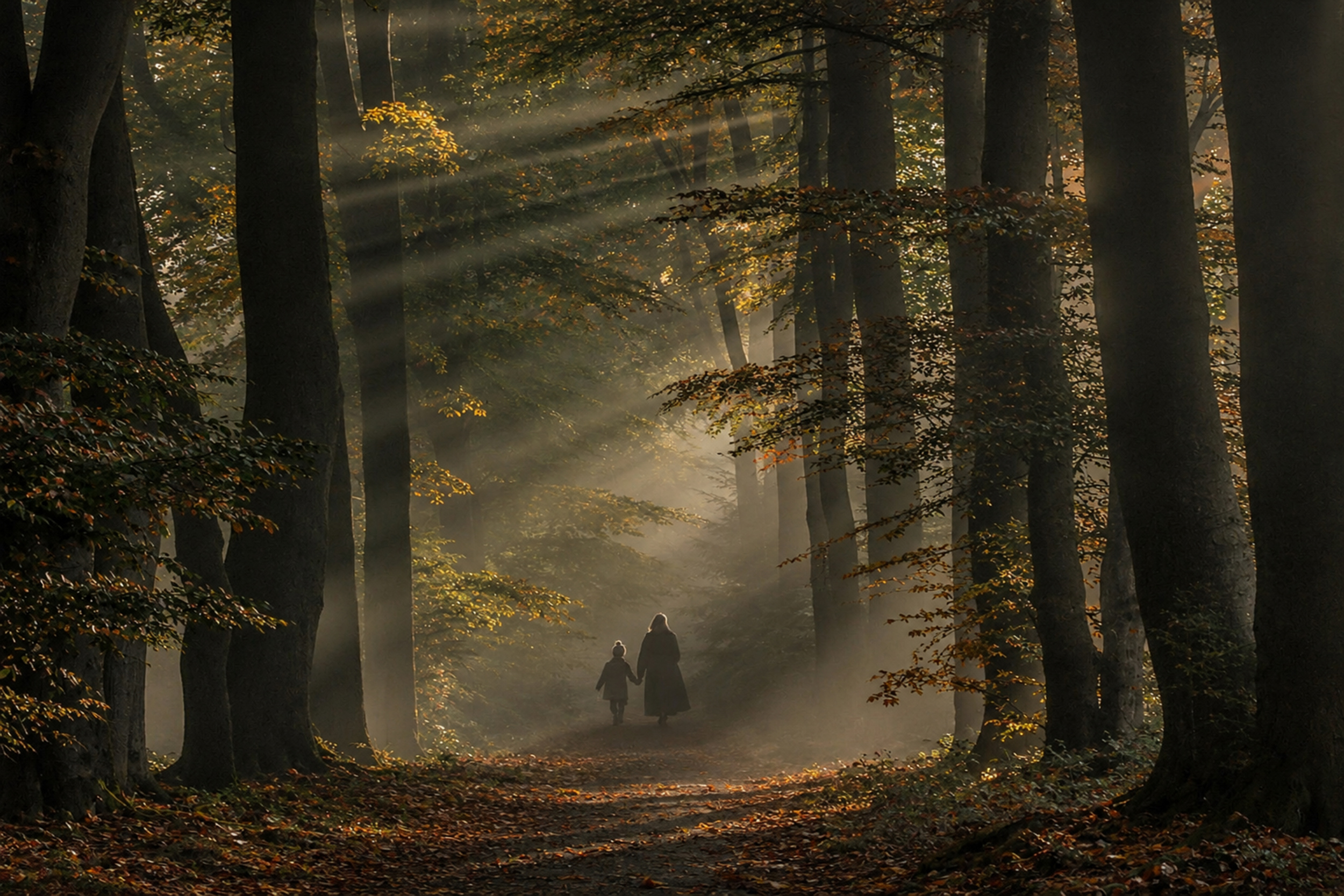
„Where Fall Whispers…“ by Yvette Depaepe
How is this done?
The most important approach is to blend out everything that is expected in order to draw attention to relevant information. This is the first step for photographs to attract attention. A sample of 1,001 of the same kind is in high danger of being overlooked, even if it is technically perfect compared to an unexpected picture, which may have lower quality in terms of composition, lighting, etc.
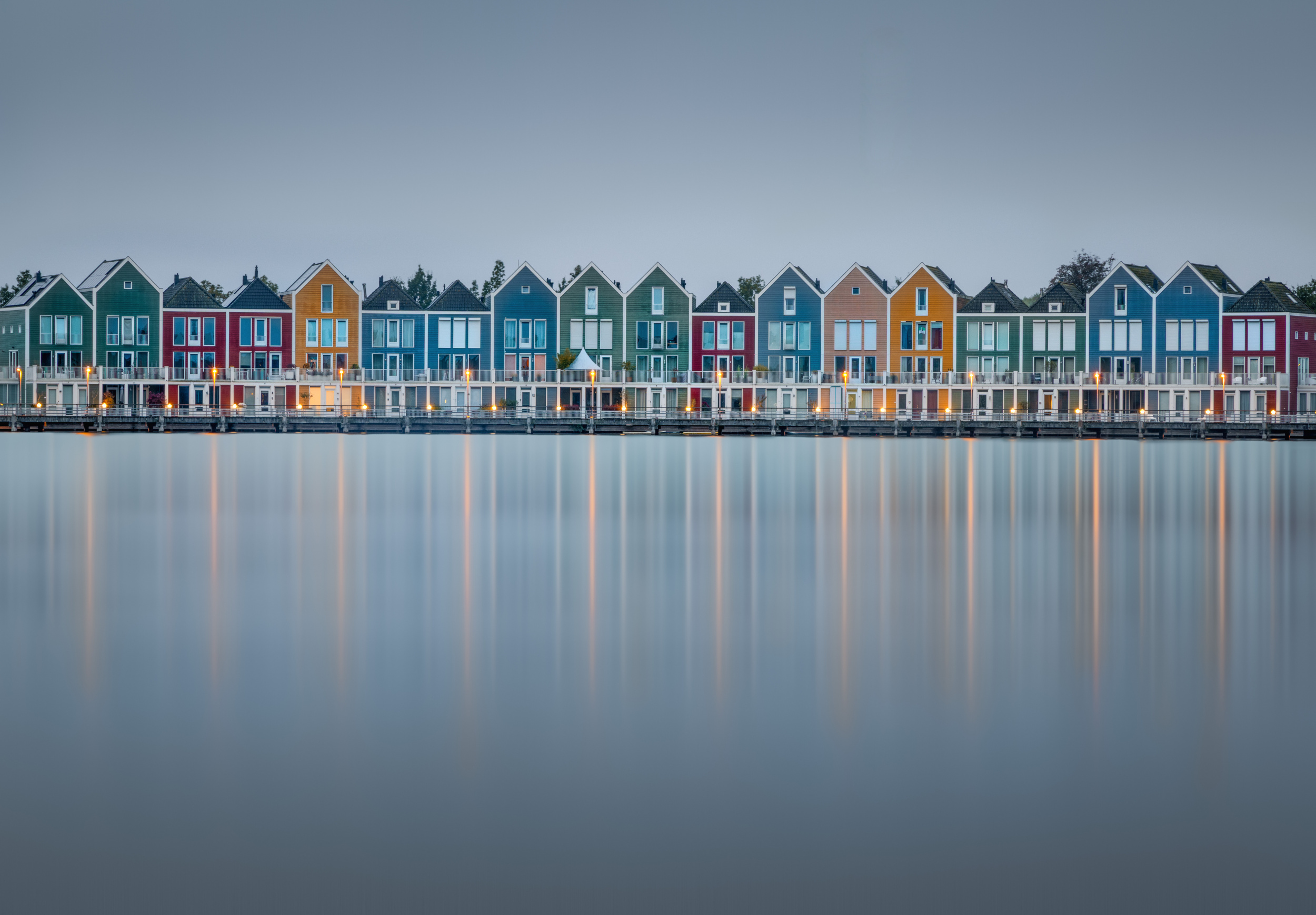
„Houten rainbow house“ by Li Ying
Let’s jump back to the topic:
A pack of lions on the savannah's horizon is barely worth mentioning, but a single lion spotted nearby is alarming, to say the least. So extracting depth is a matter of survival, and yes, our eyes have redundancy for this task.
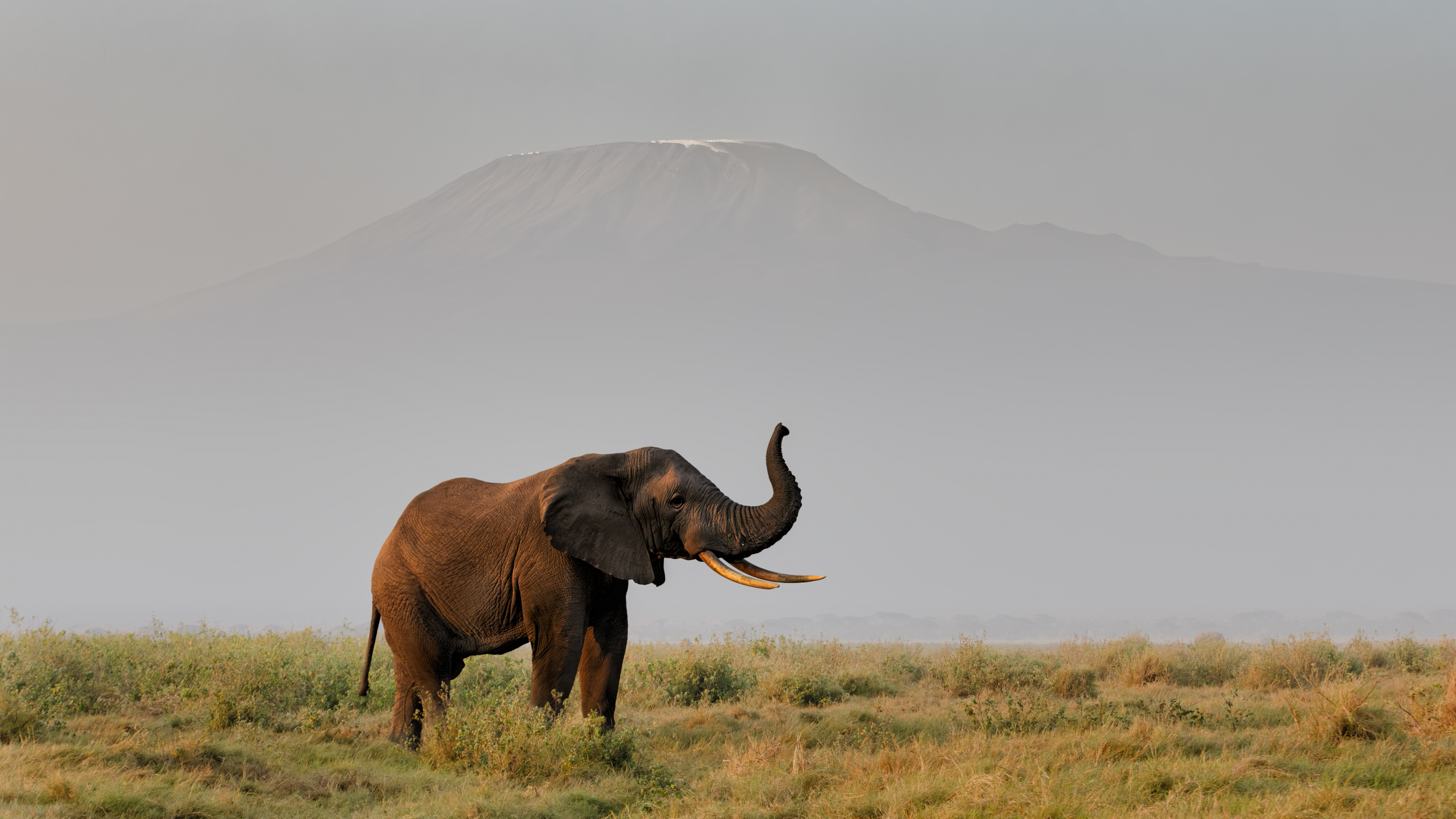
„Alone In The Morning“ by Jun Zuo
How do we see in 3D when our Retina is a 2D-sensor as our camera is as well?
In part, this is due to differences in perspective between our two eyes, particularly when moving. Have you ever observed an owl's head movements to allocate the prey prior to the flight?
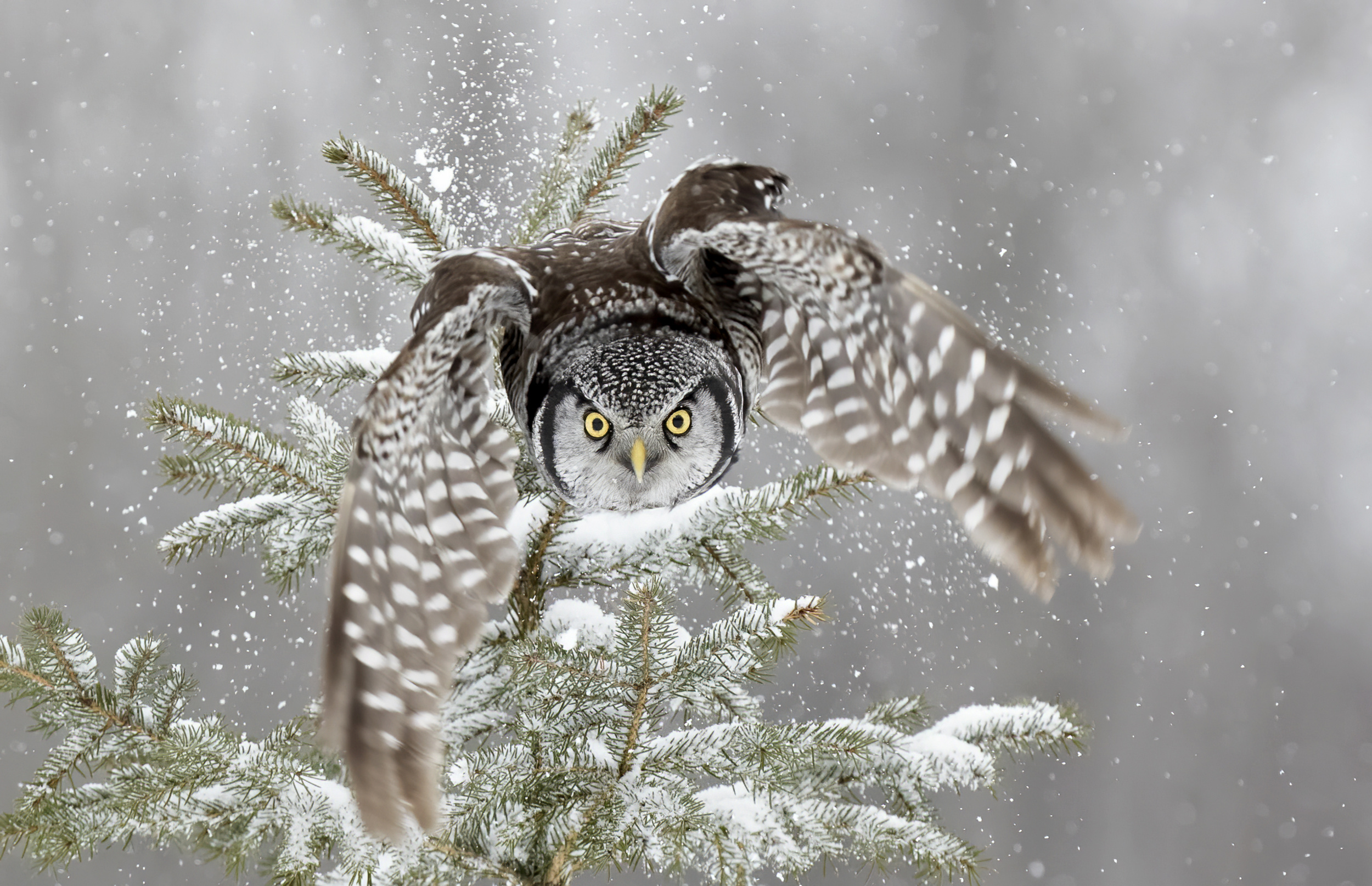
„Northern Hawk Owl“ by Rick Dobson
Neither stereoscopic views nor movement are part of our stills photography. Our colleagues who work in video or stereoscopic imaging own these areas.
There are plenty approaches to express depth in a two dimensional picture:

„Train from Winter“ by Yongnan Li
Try using lines to help transfer the point of view to the scenery. Use the magic of S-curves and central perspective, for example.
There are plenty of approaches to choose from when composing a shot.
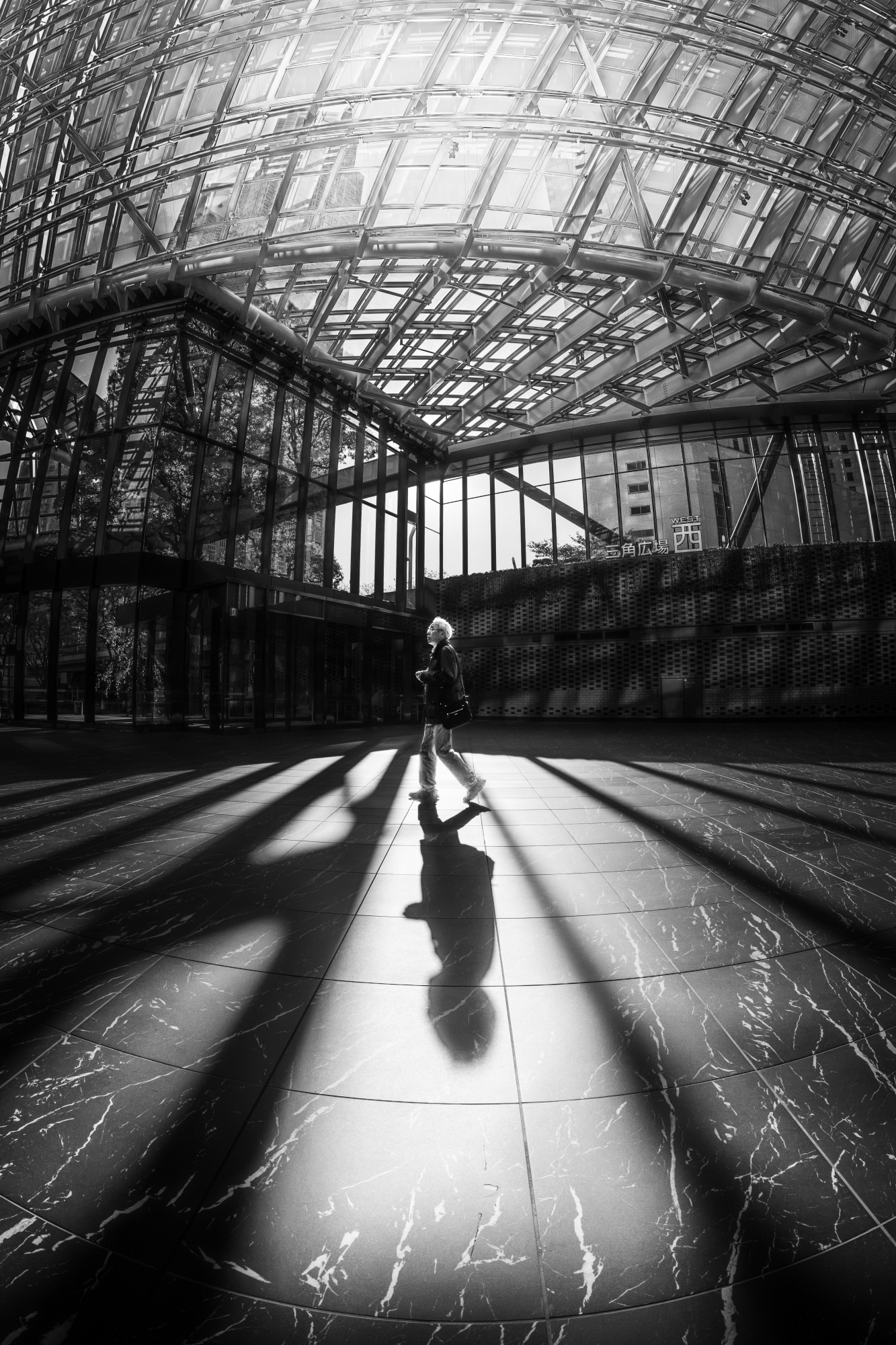
„Full of Light“ by Satoshi Sakai
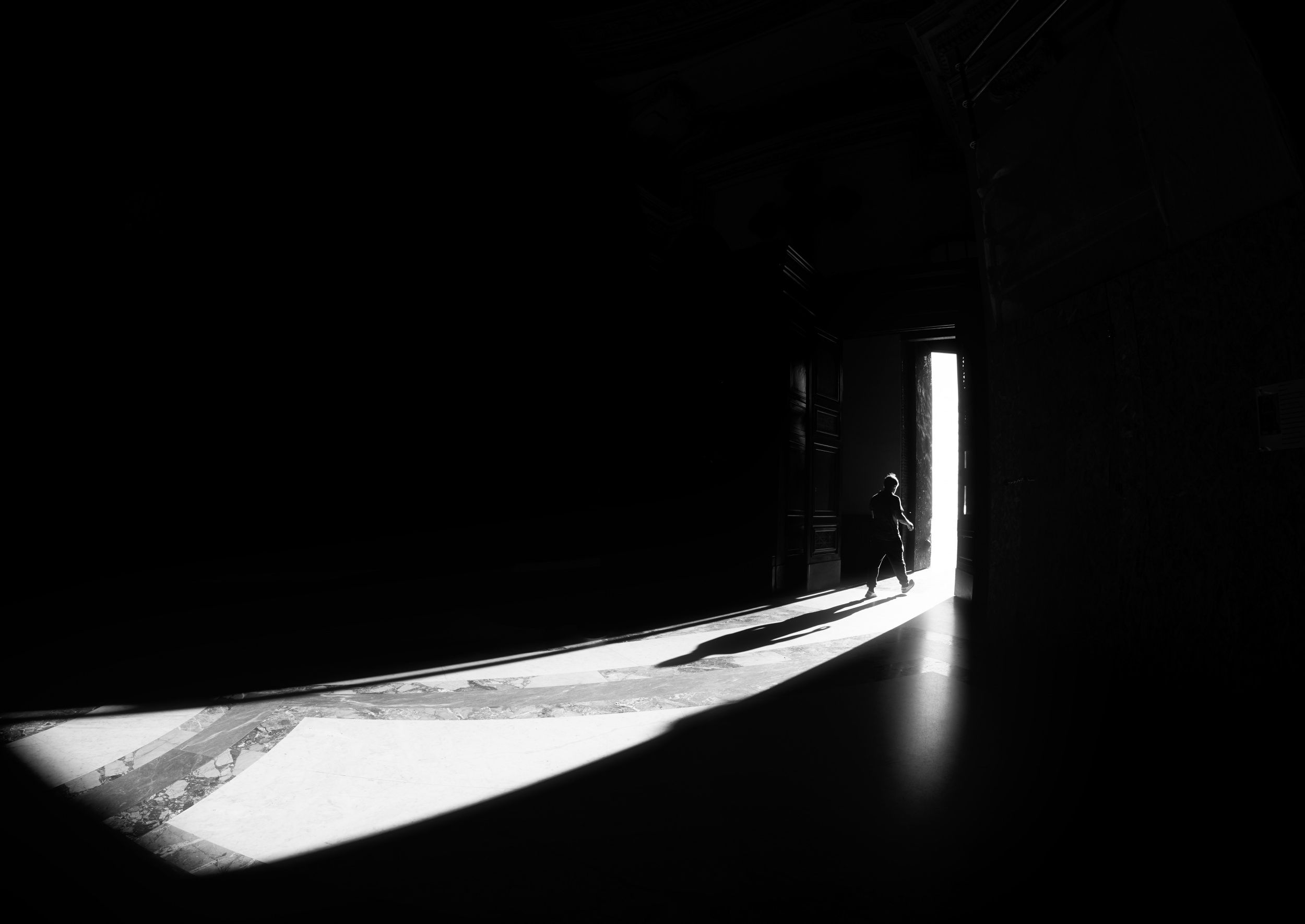
untitled by Atsuyuki Watanabe
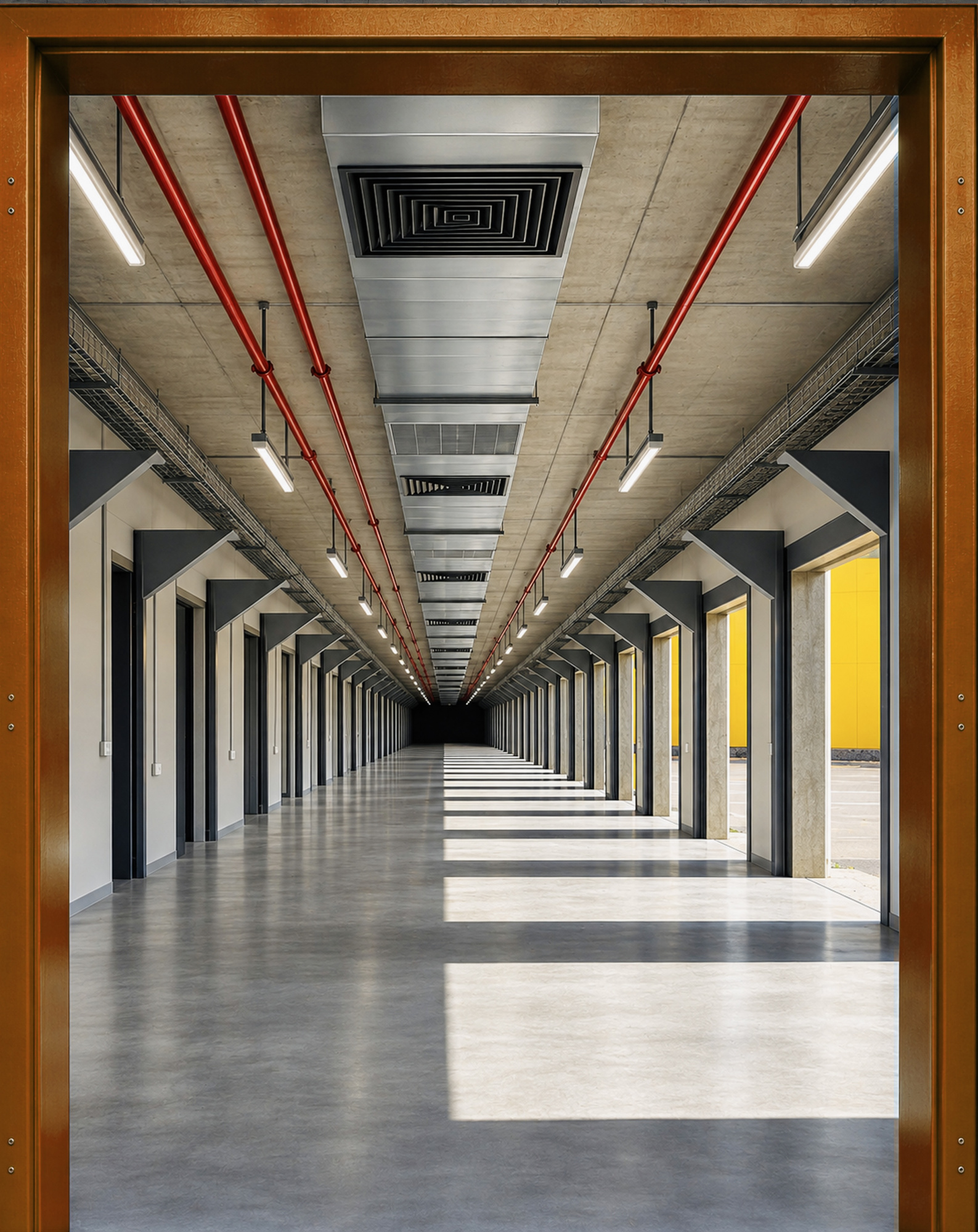
„Perspective - Hamerkaz“ by Arnon Orbach
Another approach to showing distance and depth is to use relative size. Place objects of known size at different distances within your frame and viewers will recognize depth by doing the maths in their heads.
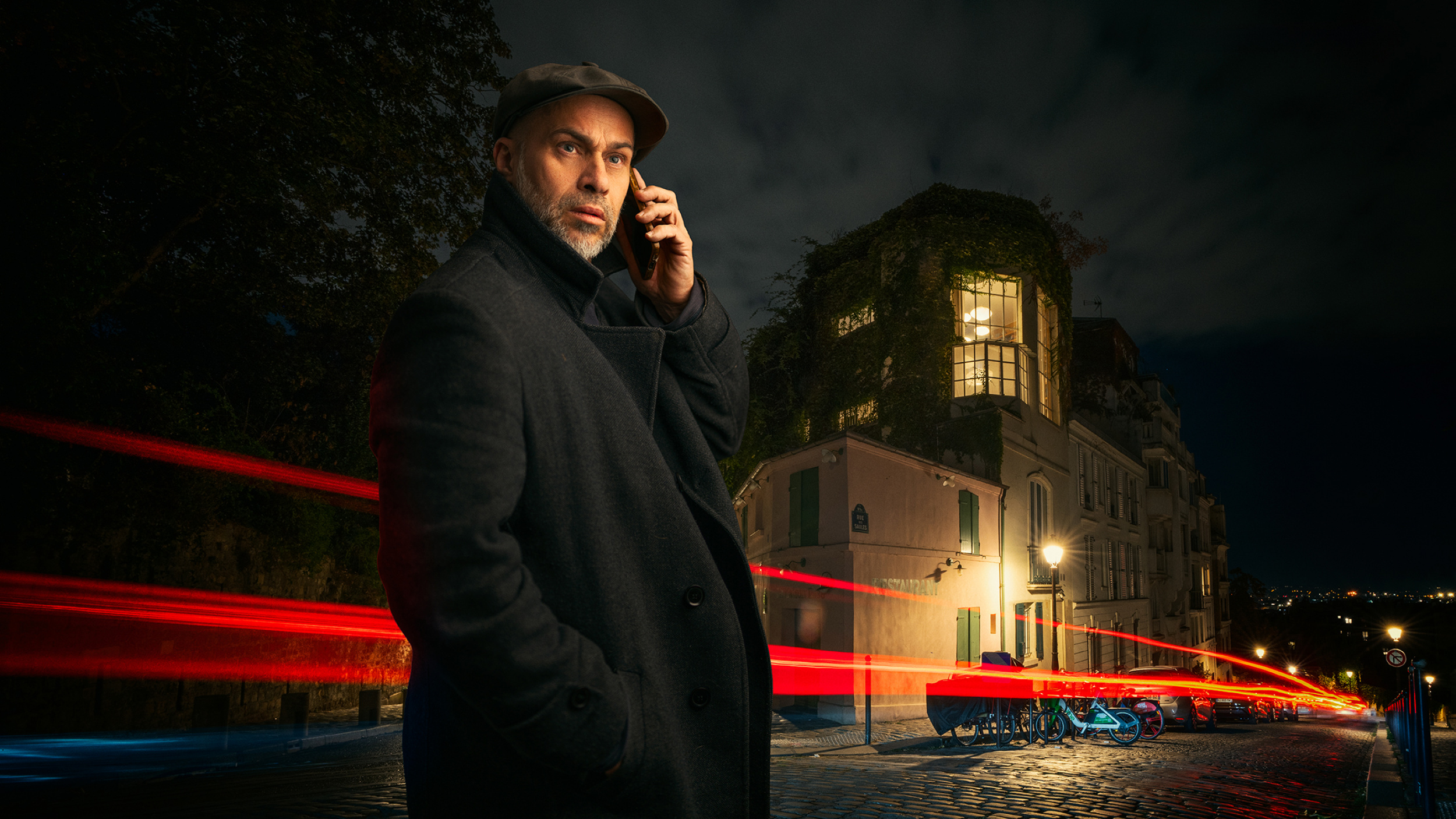
„The Last Call“ by Adam Wawrzyniak
One subtle effect is the visibility of the air (or should I say atmosphere?) between the point of view and the subjects in the frame. This affects the light temperature, clarity, contrast and visibility of detail, and sometimes adds grain. You can see this effect at long distances in clean air.

„Mount Fuji Beyond The Ridges“ by NOKO
You can see it in dusty environment:
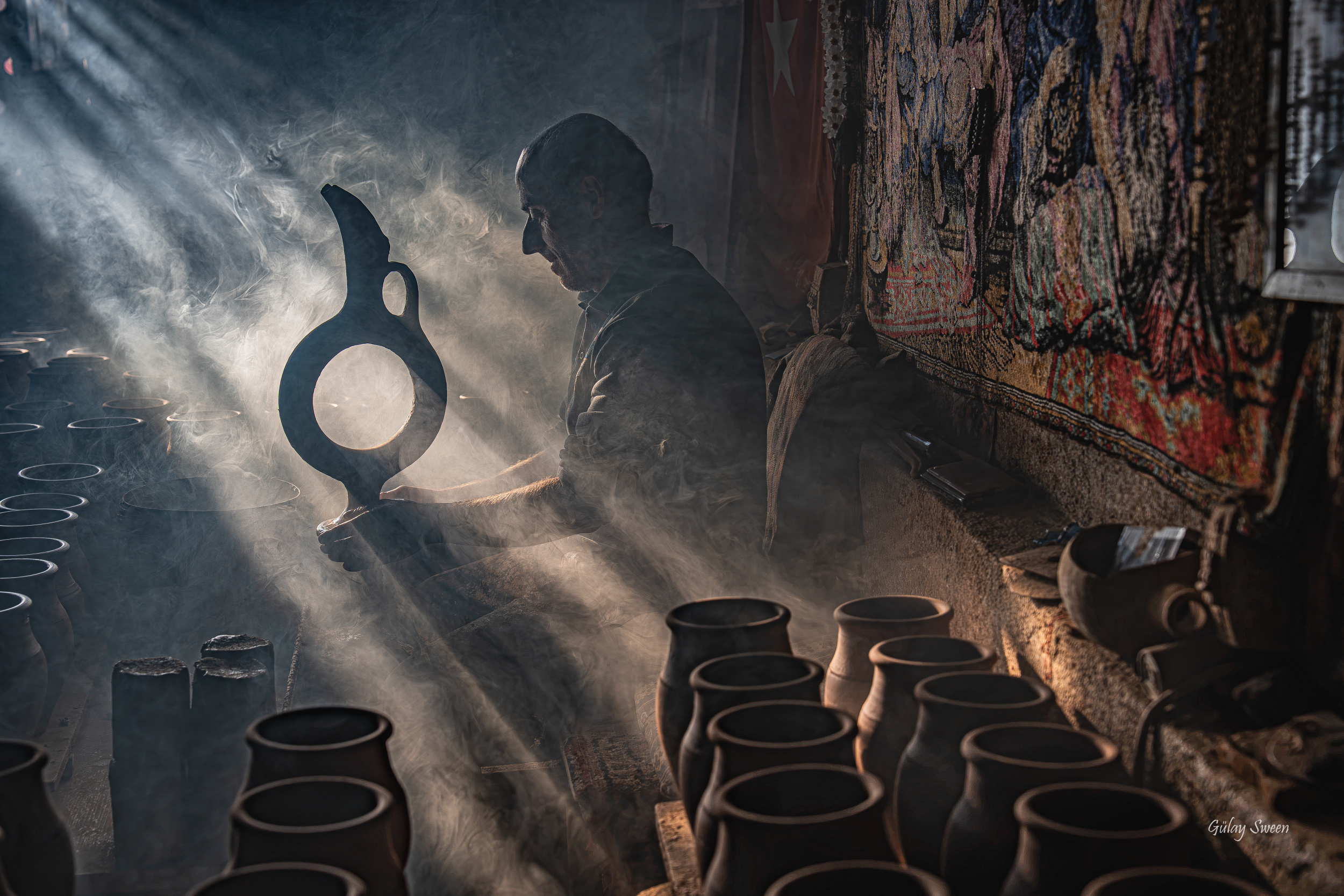
„Der Tontöpfer und die Hittitische Ringvase“ by Gülay Sween
You can see it in foggy conditions:
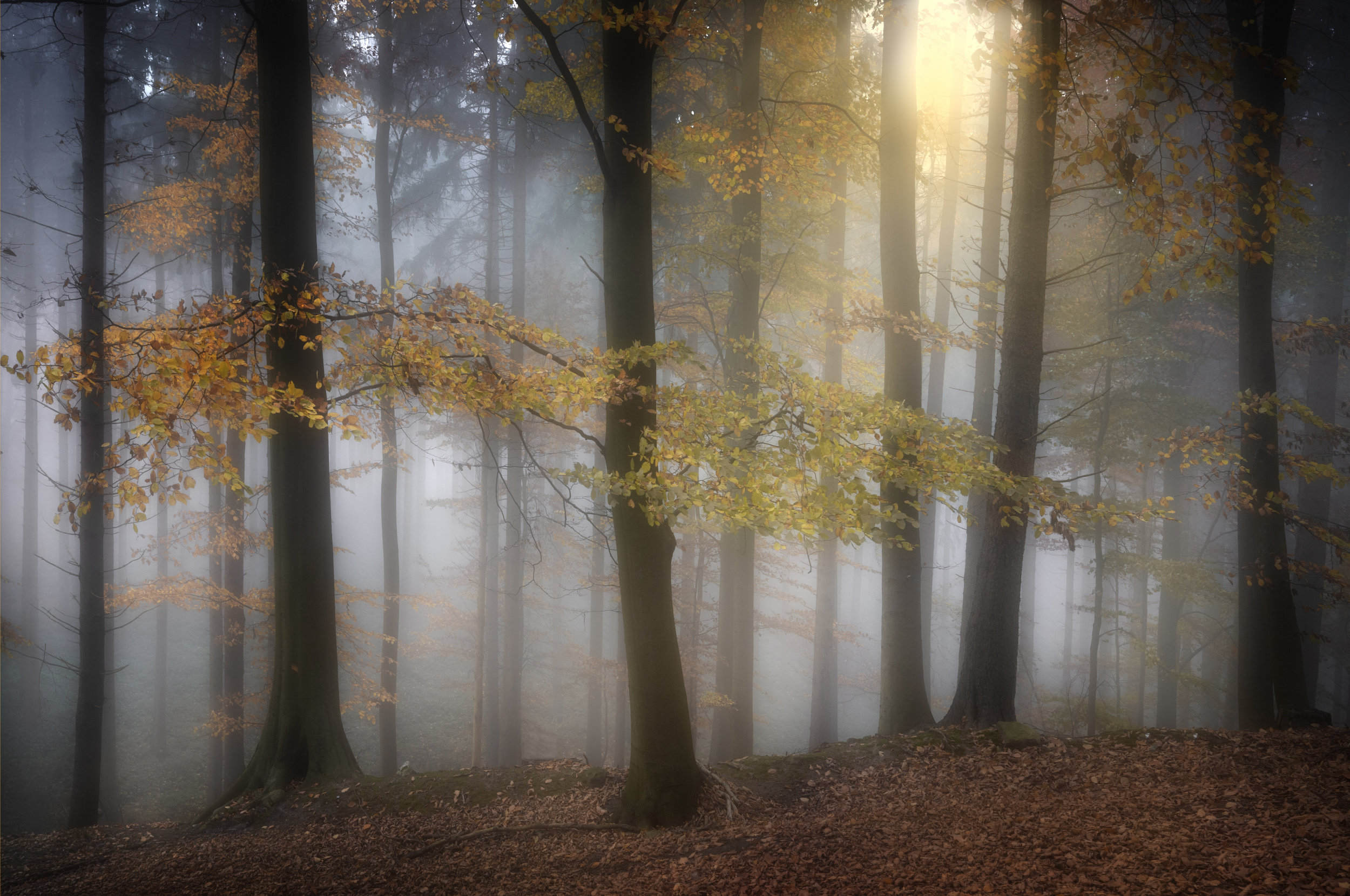
„Autumn“ by fotomarion
Yes, photographers love those conditions. If you visit a theatre or circus, you will see that the bright light beams through dust, creating a significant part of the magic that attracts people.
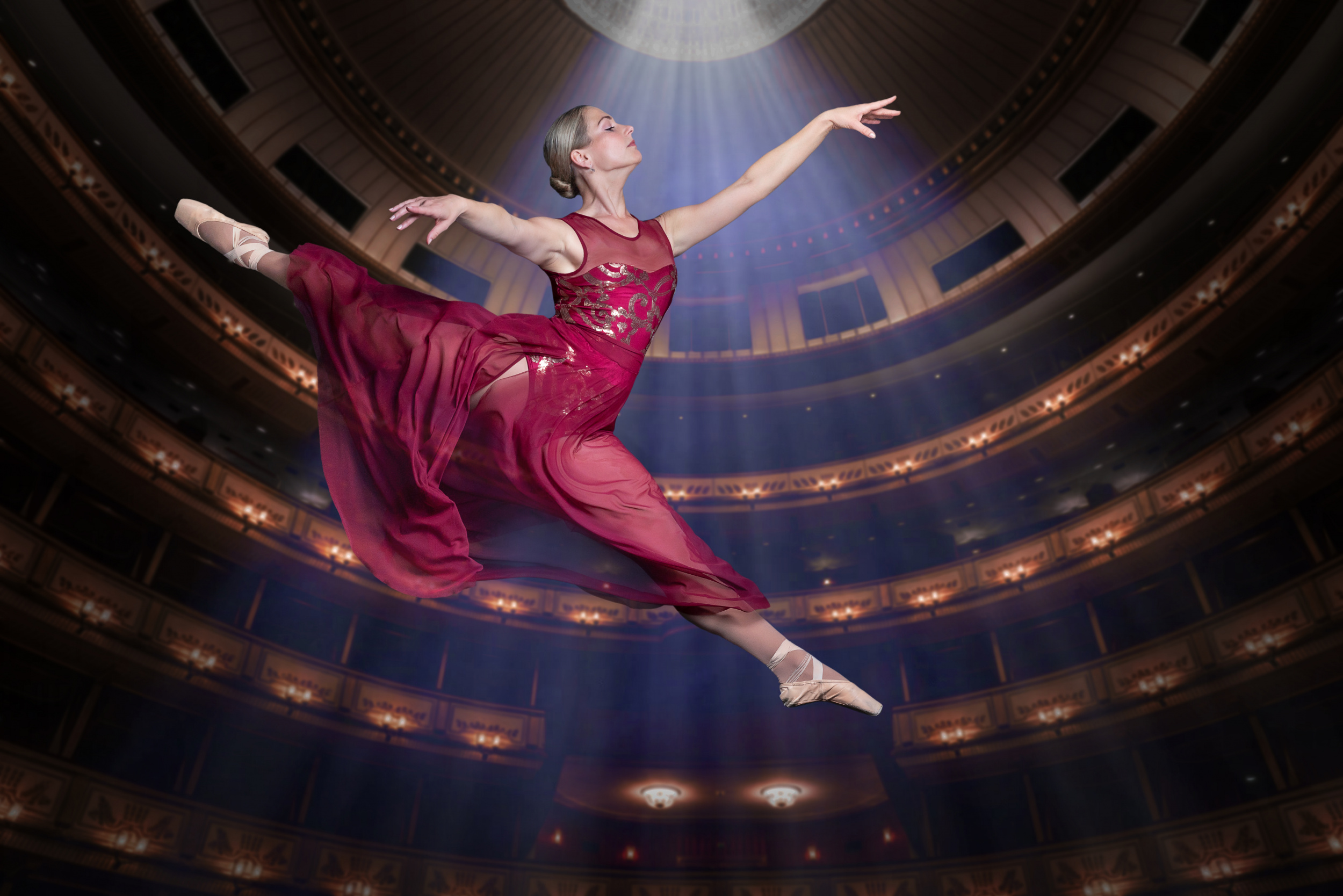
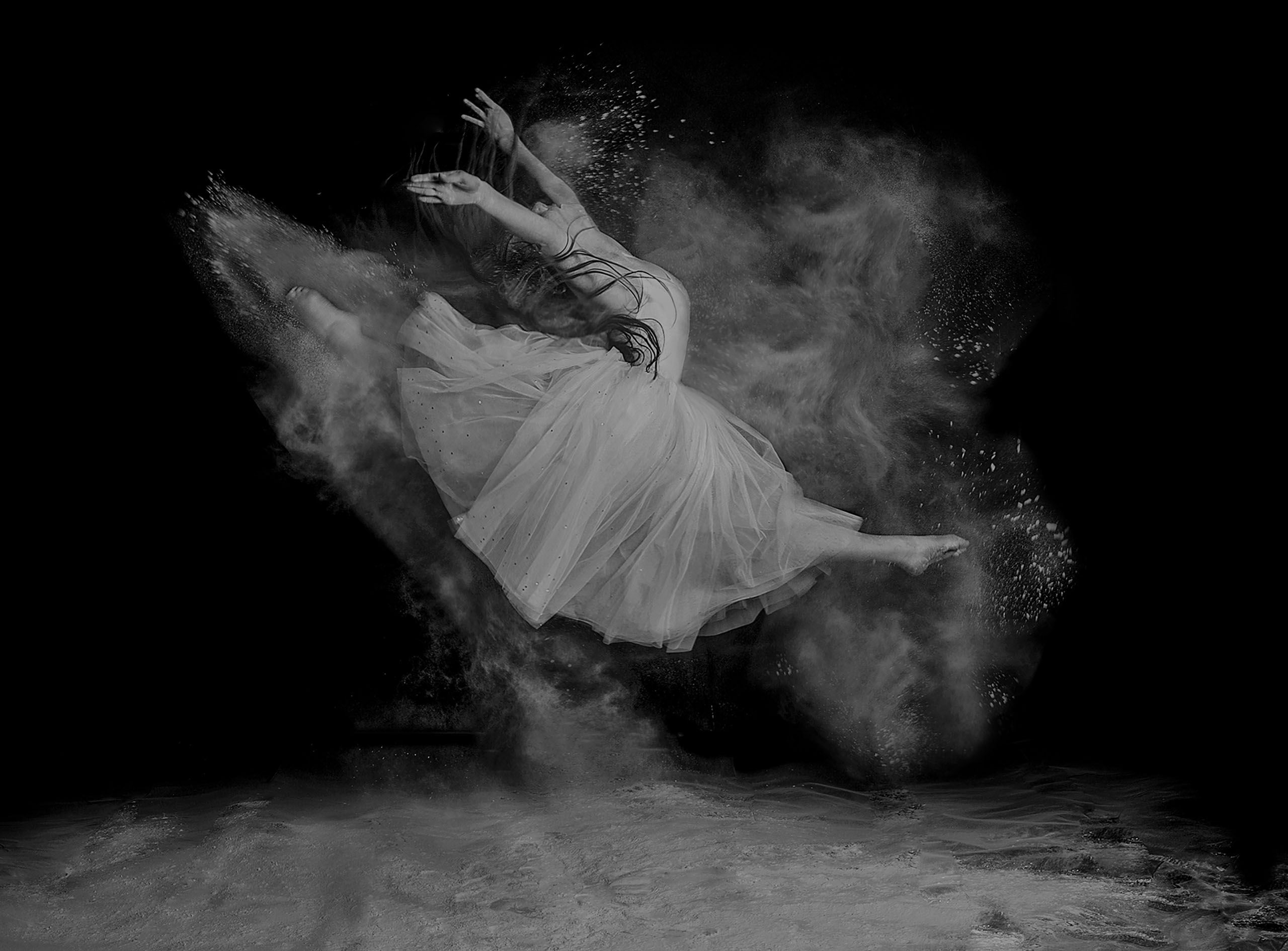
„BallerinaRouge“ by Marcel Egger
Do the same with your photographs to enhance their effects. For example, take your landscape photographs in the morning.
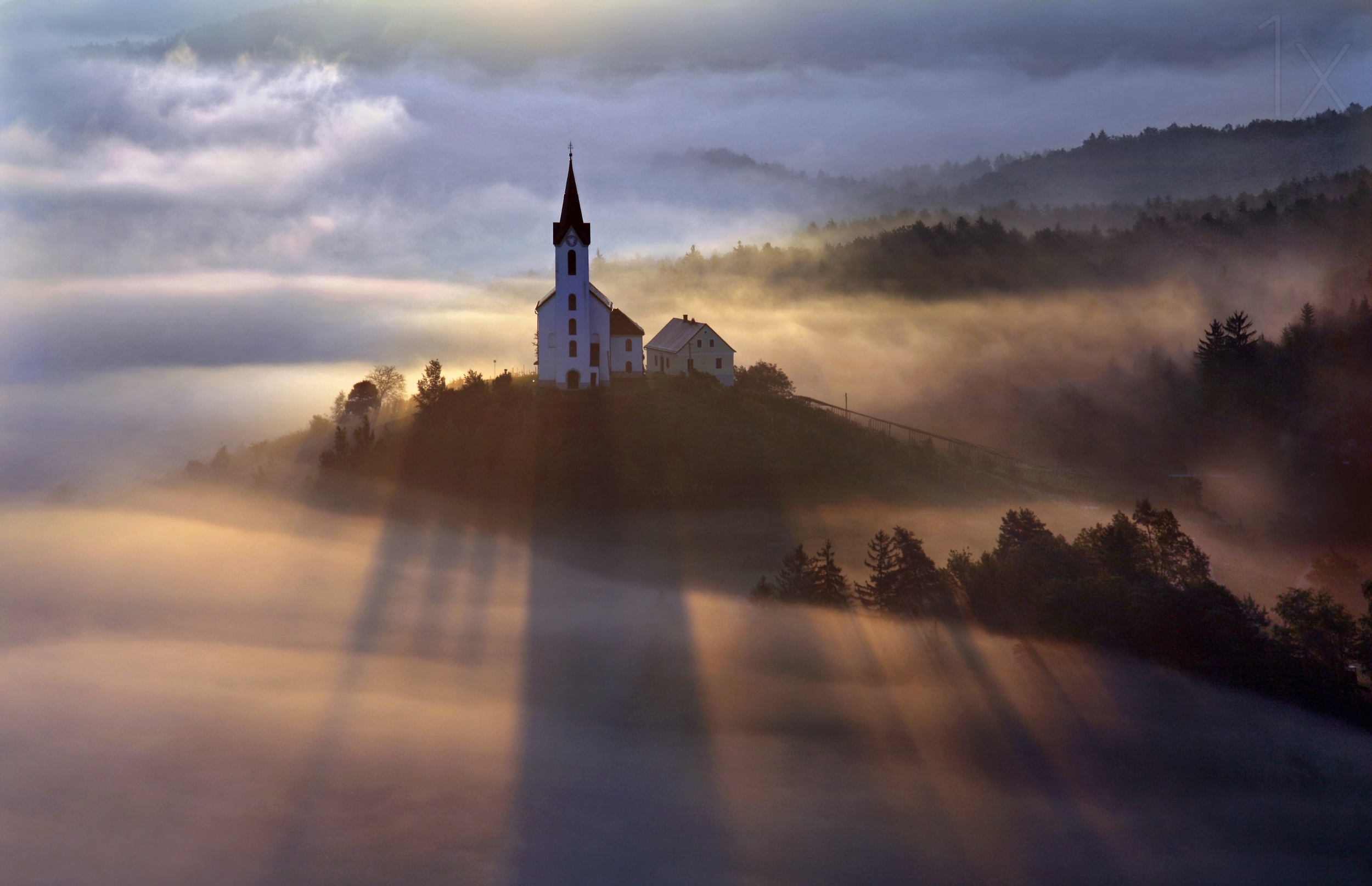
„Waiting for the miracle“ by Matjaz Cater
How to get to the next level?
How to combine the unexpected with the expression of depth?
Let us point out a most iomportant approach:
Create some inconsistency in the depth information between your scenery and your subject! This subtle effect makes your subject stand out and catch the viewer’s eye.
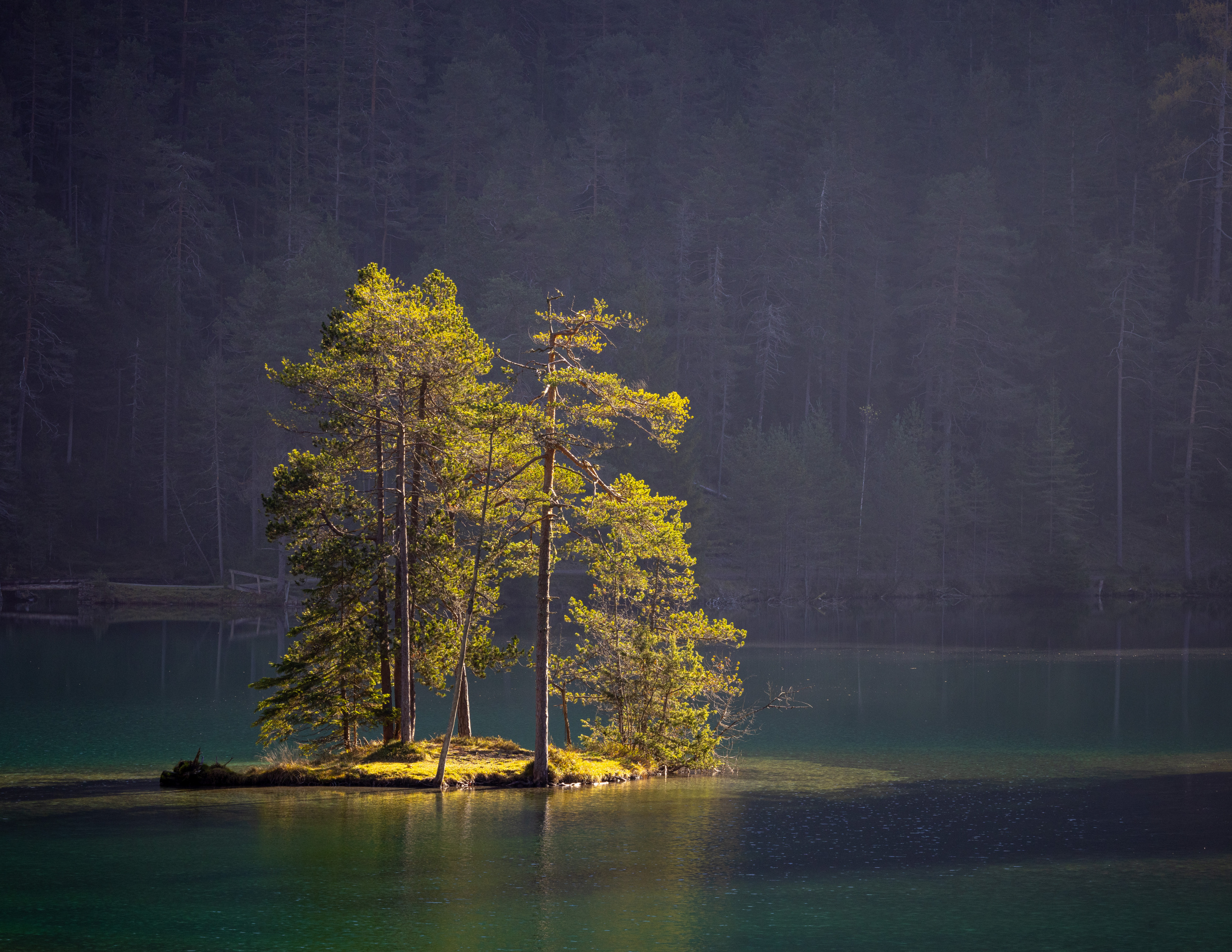
„Sunny Island“ by Peter Ebel
If overdone, this may ruin your picture, but if done sensitively, it generates what we want. A photograph that attracts the eye and invites closer inspection.
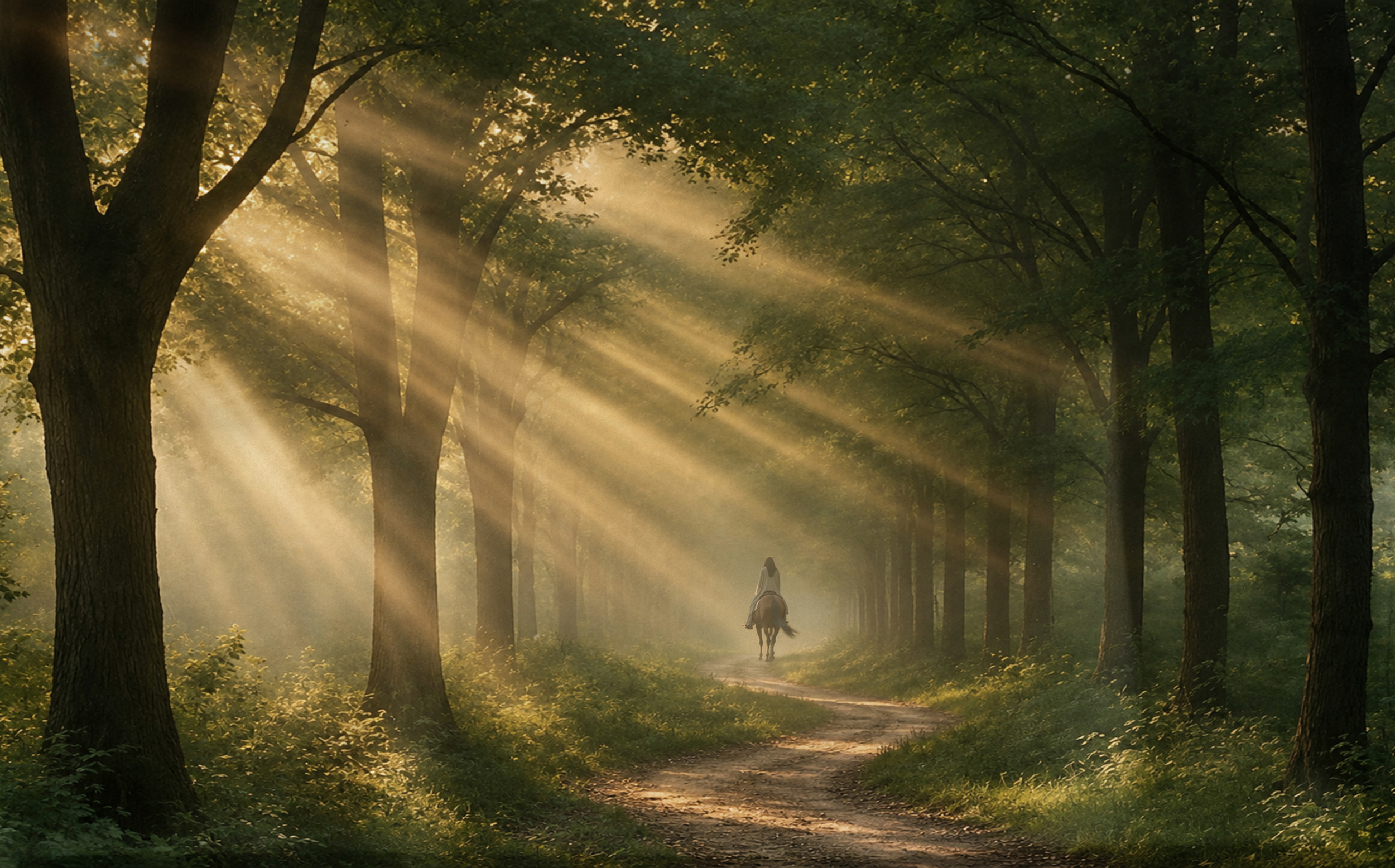
„Where the light leads…“ by Yvette Depaepe
A very different approach is to not include any depth information in the photograph, but to make the viewer's eyes start searching for it. This generates attraction and invites the viewer to explore the frame.

„VIETNAM, MAM XOI – HMONG PEOPLE-14343“ by Raimondo Restelli AFIAP
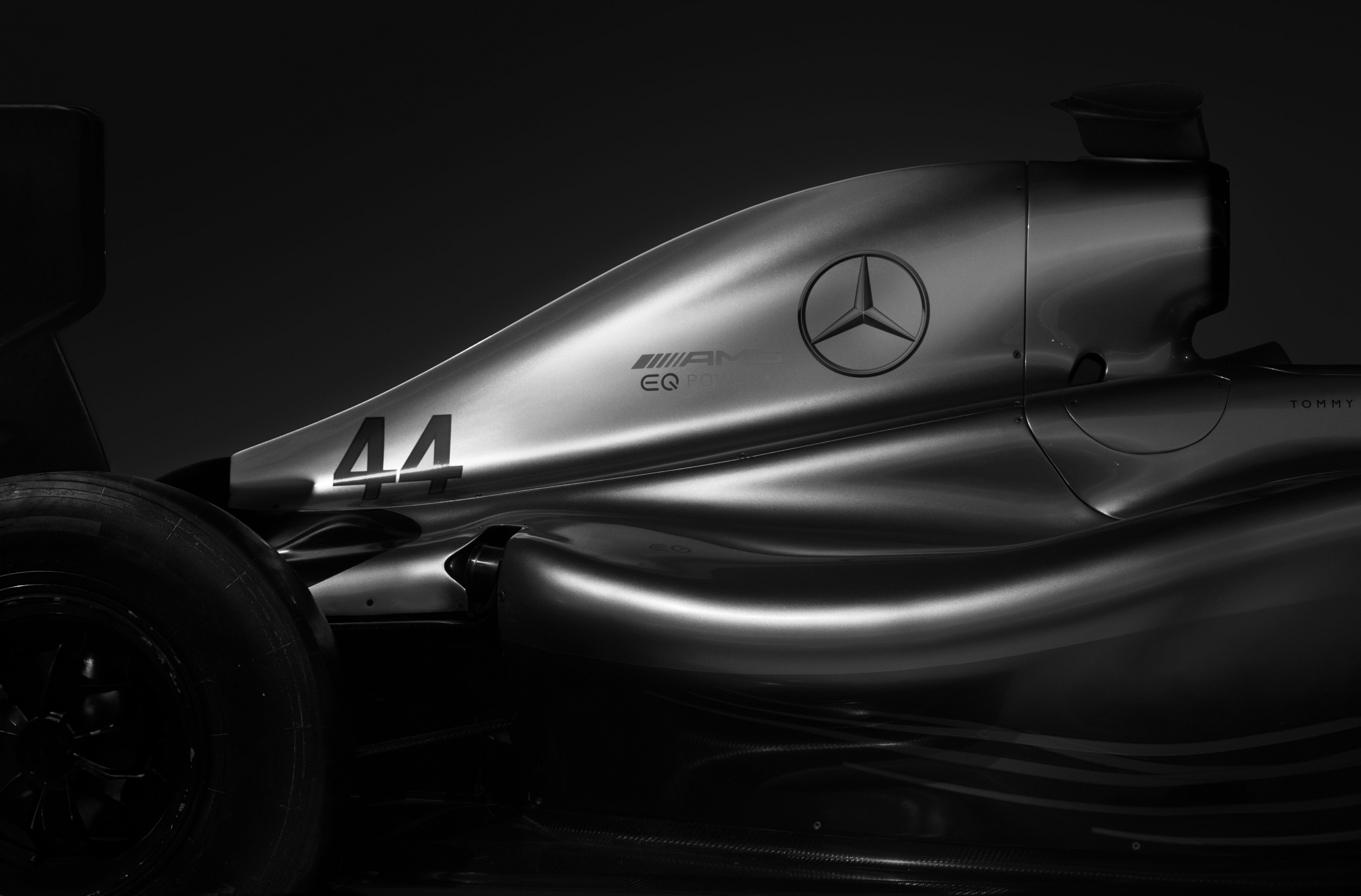
„44“ by Nadav Jonas
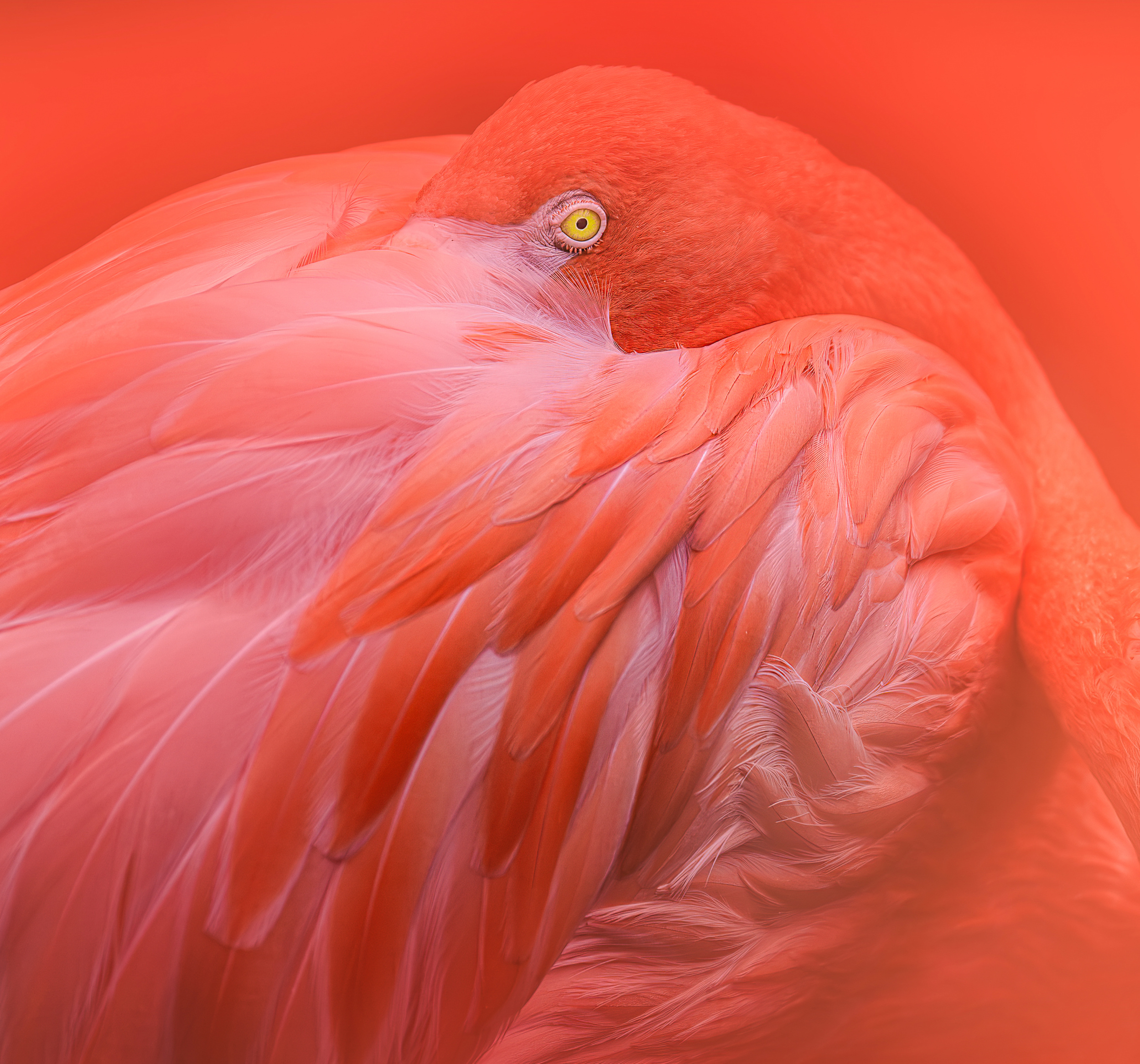
„Sweet Dream“ by Catherine Wang
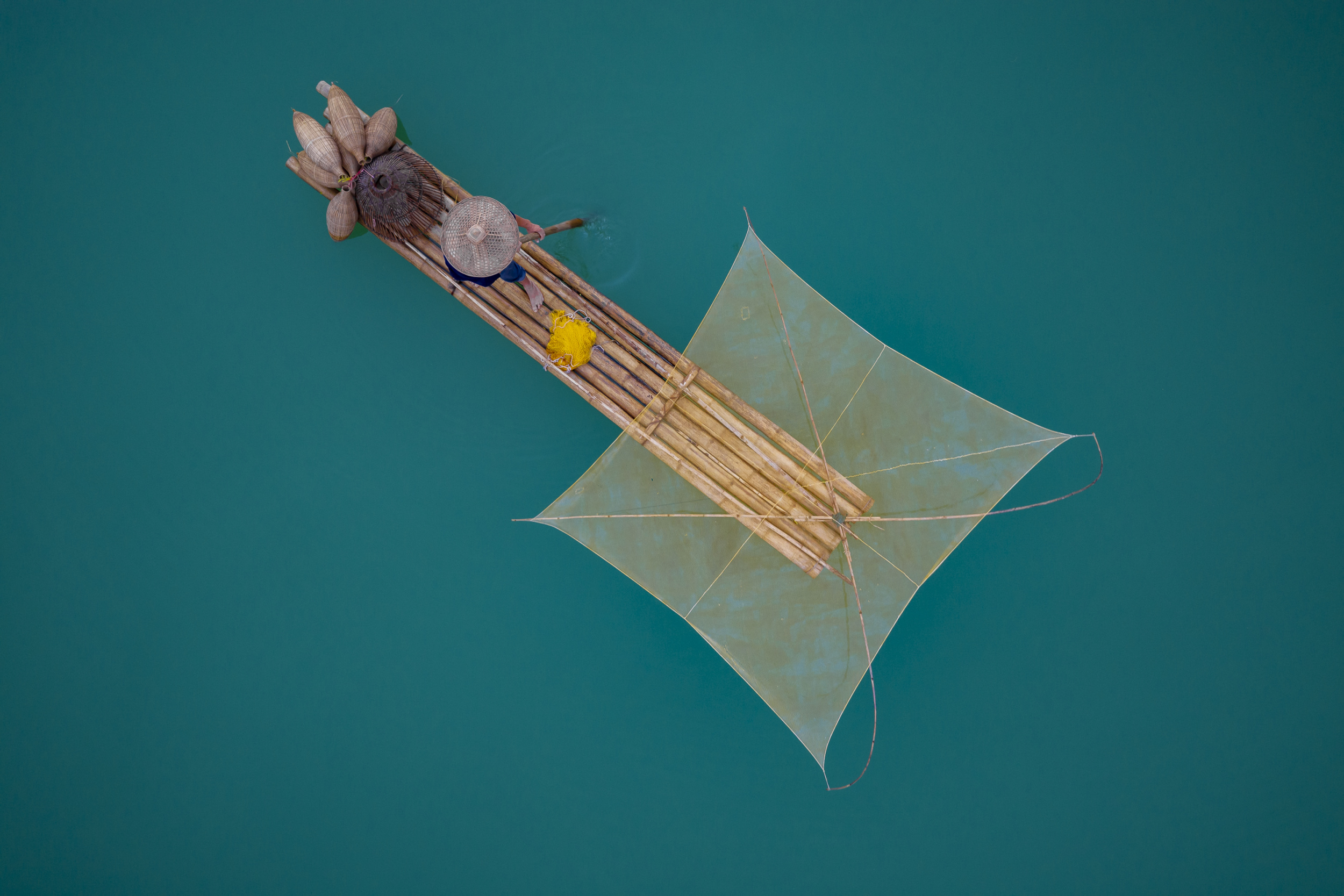
„VIETNAM, PHONG NAM VALLEY - D-1443“ by Raimondo Restelli AFIAP
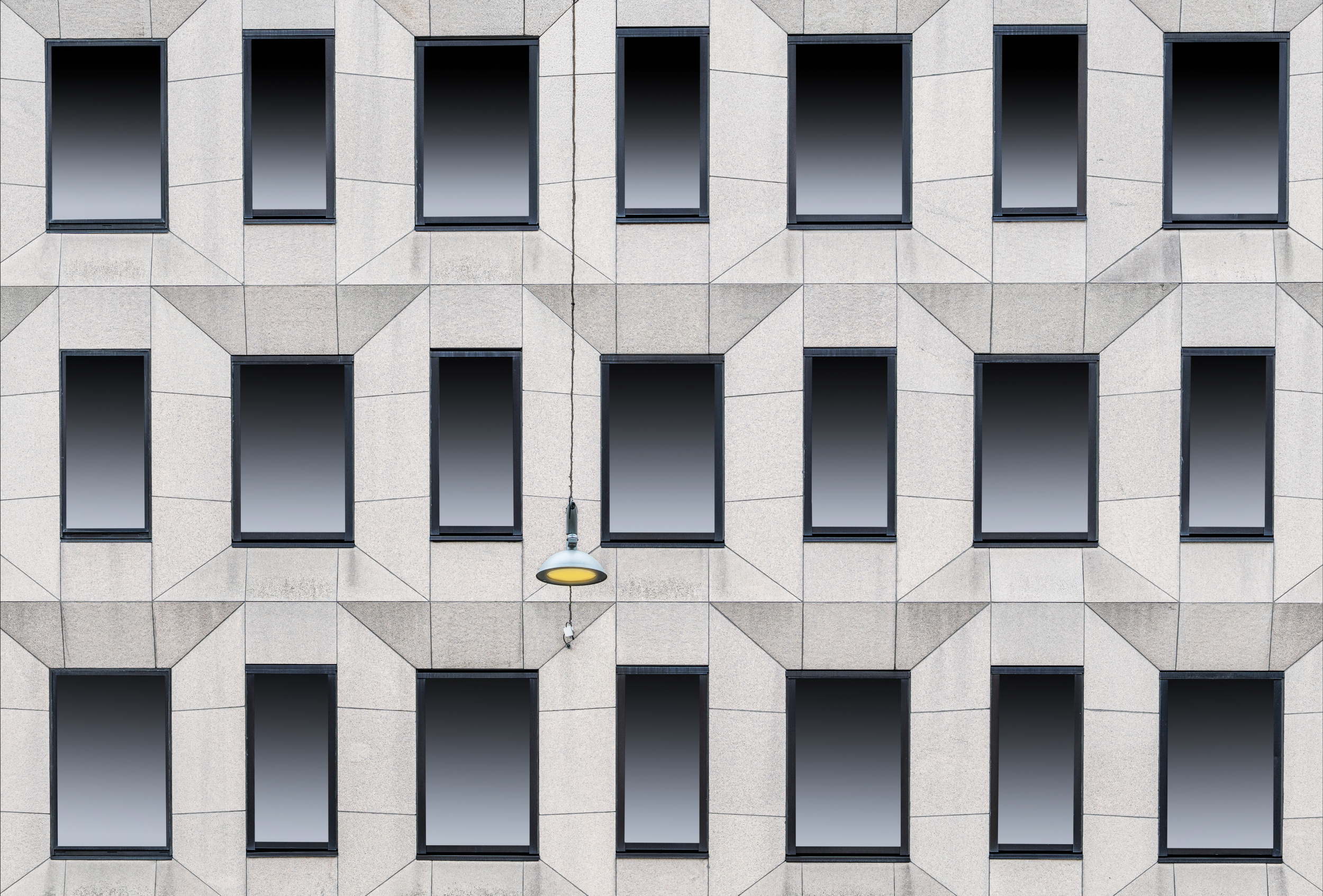
„windows“ by fotomarion
You have the viewer's attention, so give them something to enjoy in terms of light, subject matter, composition, atmosphere, colour, storytelling and so on. Depth is just one of many elements that make up any kind of picture, so use it wisely!
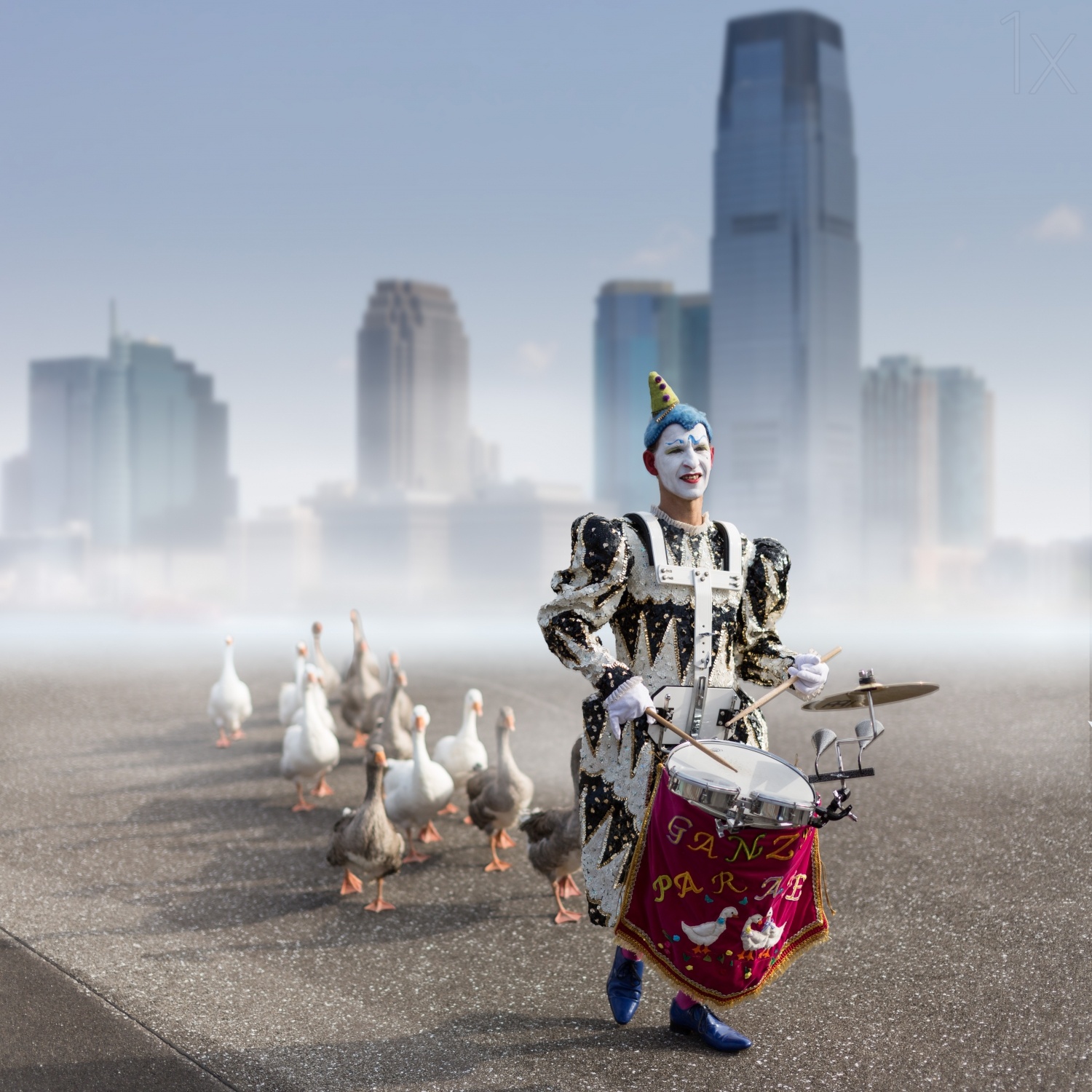
„Goose parade“ by Tom Baetsen – xlix.nl
 | Write |
 | Giampiero Maffulli PRO Inspirational works! |
 | Yongnan Li (李永男) PRO Thank you Yvette and Peter, for featuring my image in the wonderful article. |
| | Yongnan Li (李永男) PRO Thank you Ynette and Peter, for featuring my image in the wonderful article. |
 | Li Ying PRO Thank you Yvette and Peter, for featuring my work in your wonderful article. It is a great honor to be included. I truly appreciate your recognition and the opportunity to share my photography with the 1x community.
Thank you, 1x, for providing such an inspiring platform for photographers around the world! |
 | Miro Susta CREW An excellent and very informative article, complemented by some beautiful photographs – many thanks to Peter and Yvette, and a big round of applause for all the photographers.
|
 | Sean Huang PRO I am delighted and deeply encouraged to have my photo included in this inspiring collection.My sincere thanks to Peter and Yvette for your dedication in putting together such an engaging, insightful, and beautifully crafted article. It is a pleasure to be part of this remarkable work. |
 | Catherine Wang PRO Heartfelt appreciation to all the talented photographers for sharing such beautiful and inspiring work! Special thanks to Peter and Yvette for putting together such an engaging and insightful article! |
 | Svetlana Povarova Ree PRO A huge thank you to all the photographers for these wonderful, inspiring pieces of work! Many thanks to Peter and Yvette for a very interesting article! |
 | Peter Ebel CREW Thank Svetlana!
The honor goes to all the photographers drawing our eyes with the power of depth! |